
Respiratory diseases
Viral respiratory infections are common during fall and winter, and many of them share similar symptoms. At Laboratorio Aclimu, in Buenos Aires, we perform the tests that help identify the virus responsible: COVID-19 (by RT-PCR and by rapid antigen test), a respiratory virus panel that detects Influenza A, Influenza B, SARS-CoV-2 and respiratory syncytial virus (RSV), and Influenza A PCR with subtyping (H3N2 and H1N1). Knowing the diagnosis helps you and your doctor make more appropriate care decisions.
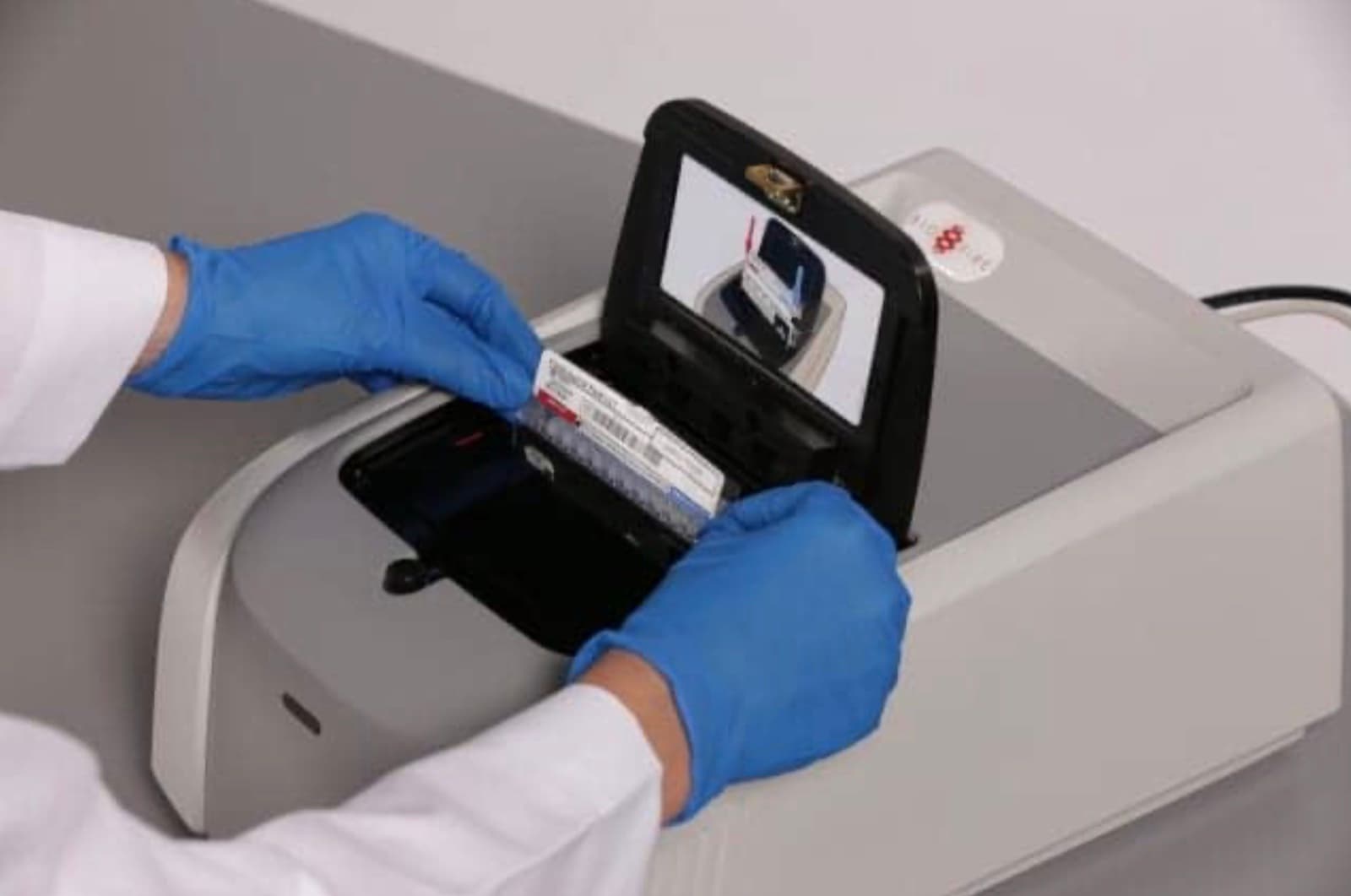
What do we detect?
We offer five tests in the area of respiratory diseases. The first is COVID-19 detection by RT-PCR, a nucleic acid amplification technique that the Ministerio de Salud de la Nación (Argentina's national Ministry of Health) recognizes as a diagnostic test for SARS-CoV-2, along with the rapid antigen test and the LAMP technique. PCR results are delivered in 24 business hours.
We also perform the rapid antigen test for COVID-19, which looks for viral proteins and gives you a result quickly. We offer a respiratory virus panel that detects Influenza A, Influenza B, SARS-CoV-2 and respiratory syncytial virus (RSV) in a single swab, four important viruses in seasonal respiratory illness; if it comes back negative, another virus may be the cause, such as common cold viruses, which the panel does not test for. We also perform Influenza A PCR with subtyping (H3N2 and H1N1), mainly useful for surveillance and outbreaks, and a quantitative blood test for COVID-19 anti-Spike antibodies, which describes your antibody level at that moment but does not tell you whether you are protected.
Identifying which virus is causing your symptoms can help guide clinical management and care measures at home. How to interpret the result and what to do next should always be agreed upon with your doctor.
PCR vs. antigen: which one to choose
According to the U.S. CDC, PCR (a nucleic acid amplification test) is the reference test, or "gold standard," for COVID-19: it is better at detecting the virus than the antigen test, especially when the viral load is low or there are no symptoms. The sample is processed in the laboratory, so the result takes some time; at Aclimu, it is available in 24 business hours.
The antigen test is fast, and a positive result is reliable. However, the CDC notes that it is less sensitive than PCR, so a single negative antigen result cannot rule out infection, especially if you have symptoms. The Ministerio de Salud de la Nación agrees that a negative antigen result does not rule out the disease and that symptoms should be reassessed if they persist.
As a general guide: if you need a reliable, documented result, PCR is the most sensitive option. If you want a quick answer and you have symptoms, the antigen test can be useful, keeping in mind that if the result is negative and your symptoms persist, it is best to confirm with PCR. The final choice will depend on your clinical situation and your doctor's judgment.
Symptoms and when to get tested
The Ministerio de Salud de la Nación defines a suspected COVID-19 case as a person who has two or more of the following symptoms: fever (37.5 °C or higher), cough, sore throat, difficulty breathing, headache, muscle pain, diarrhea or vomiting, and nasal congestion or rhinitis. A sudden loss of taste or smell with no other cause to explain it is also considered a compatible symptom.
The flu (influenza) usually starts suddenly with a high fever (38 °C or higher), headache, fatigue, cough, sore throat, nasal congestion, muscle pain and general malaise; children may also have digestive symptoms. The common cold, on the other hand, is usually milder. RSV is the leading cause of acute respiratory infection in babies and young children and, according to the Ministerio de Salud, it can affect the lower respiratory tract in 20–30% of cases.
Because these illnesses share many symptoms, testing helps tell them apart. In general, it is a good idea to get tested when respiratory symptoms appear, and the CDC recommends not delaying testing if you have symptoms. If you have difficulty breathing or other warning signs, seek medical care right away.
Prevention
The Ministerio de Salud de la Nación recommends care measures that reduce the spread of respiratory viruses: ventilating indoor spaces, washing your hands often with soap and water, covering your mouth and nose when you cough or sneeze, and avoiding going to work, school or public places if you have symptoms.
Vaccination is a key tool. The flu vaccine reduces severe complications, hospitalizations and deaths from influenza, especially in high-risk groups. For RSV, Argentina added vaccination of pregnant people between 32 weeks and 36 weeks 6 days of pregnancy to its Calendario Nacional (national immunization schedule), a measure that has shown a significant reduction in hospital admissions among babies under 6 months of age. Ask your doctor which vaccines are right for you.
At Aclimu, we deliver COVID-19 PCR results in 24 business hours, and you can book an appointment online with no prescription needed. Reports are issued in Spanish and English.
Frequently asked questions
Do I need a prescription to get tested?
No prescription is needed: you can request the test privately, as a self-pay patient, and book an appointment online. Keep in mind that if you want your health insurance (obra social or prepaid plan) to cover it, a prescription from your doctor is usually required.
How long does it take to get the results?
COVID-19 PCR results are delivered in 24 business hours. Rapid antigen test results are ready the same day. The respiratory virus panel takes 24 to 48 business hours, and Influenza A PCR with subtyping takes 72 business hours.
Should I get a PCR or an antigen test?
PCR is the reference test (gold standard) and the most sensitive one, according to the CDC; it is ideal when you need a reliable, documented result. The antigen test is faster and a positive result is reliable, but a negative result when you have symptoms does not rule out infection, and it is best to confirm it with PCR. Ask your doctor which one is most appropriate for you.
Can I use it for travel?
Some countries or provinces may require a negative PCR result for entry. At Aclimu, the report includes a QR verification code and can be issued in Spanish and English at no extra cost. We always recommend checking your destination's current requirements before you travel, as they may change.
What does the respiratory virus panel detect?
The panel detects Influenza A, Influenza B, SARS-CoV-2 (COVID-19) and respiratory syncytial virus (RSV) in a single swab. Because these viruses share many symptoms, identifying the one responsible helps your doctor guide your care. A negative result does not rule out other viruses, such as common cold viruses, which the panel does not test for.
Sources
- Case definitions and classifications (COVID-19) (in Spanish) — Ministry of Health, Argentina
- Consensus on the use of diagnostic tests for SARS-CoV-2 (May 2021 update) (in Spanish) — Ministry of Health, Argentina
- About the flu and the common cold (in Spanish) — ANMAT - Ministry of Health, Argentina
- Respiratory Syncytial Virus (RSV) (in Spanish) — Ministry of Health, Argentina
- Flu vaccine (in Spanish) — Ministry of Health, Argentina
- Testing for COVID-19 — CDC (Centers for Disease Control and Prevention, U.S.)
- Overview of Testing for SARS-CoV-2 — CDC (Centers for Disease Control and Prevention, U.S.)
The information on this page is for guidance only and does not replace a consultation with a healthcare professional.