
Dengue
Dengue is a viral disease transmitted by the bite of the Aedes aegypti mosquito, and it is common in Argentina during the warm months. A laboratory diagnosis at the right time helps confirm the infection and allows your doctor to support you through follow-up. At Laboratorio Aclimu we perform dengue testing with online appointment booking and fast results.
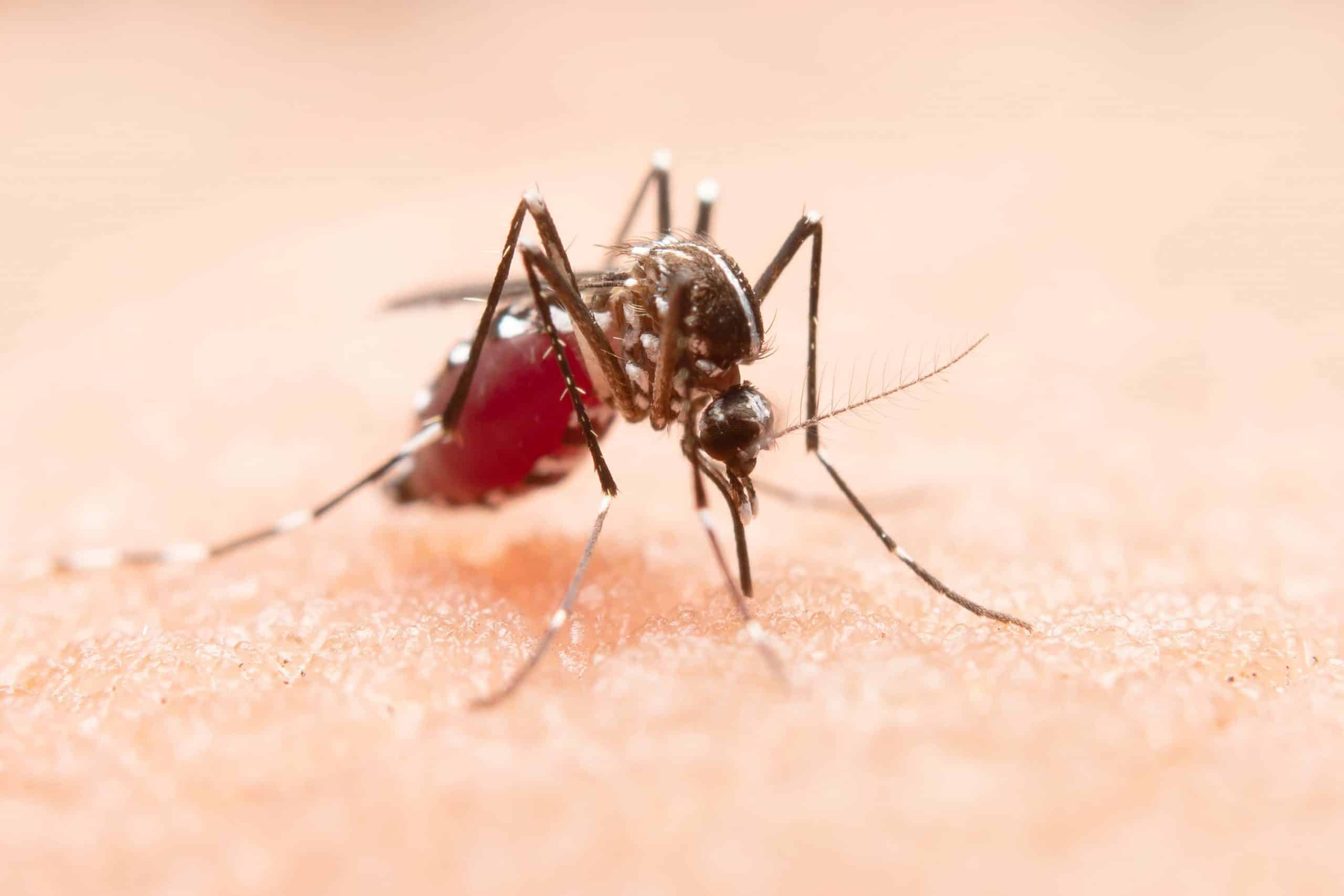
What is dengue and how is it transmitted?
Dengue is a viral disease caused by the dengue virus, which has four serotypes (DEN-1, DEN-2, DEN-3 and DEN-4). It is transmitted by the bite of an infected Aedes aegypti mosquito: infection always occurs through a mosquito bite, never directly from one person to another.
Aedes aegypti is black with white stripes on its legs and abdomen, and it lays its eggs in containers that collect water. That is why the spread of the virus is linked to the presence of mosquito breeding sites in and around homes.
Symptoms and warning signs
According to the Ministerio de Salud de la Nación (Argentina's national Ministry of Health), dengue should be suspected when there is a fever (38 °C or higher) together with any of these symptoms: headache and/or pain behind the eyes, muscle and/or joint pain, nausea, vomiting and/or diarrhea, general malaise, and a skin rash.
There are warning signs that may appear during the fever or after it goes down, and that require immediate medical attention: severe abdominal pain, irritability, drowsiness and/or lethargy, bleeding from mucous membranes (gums, nose, etc.), persistent vomiting and difficulty breathing.
These tests do not replace a medical visit. If you have severe, continuous belly pain, vomiting that won't stop, bleeding from your gums or nose, a lot of drowsiness or irritability, shortness of breath, or you feel dizzy or faint when you stand up, go to the emergency room right away, without waiting for the result. These signs can appear when the fever goes down. For fever, take only paracetamol (acetaminophen): do not take aspirin, ibuprofen, diclofenac or ketorolac, and do not get intramuscular injections. If you are pregnant, the patient is a baby, you are over 65 or you have a chronic illness, see a doctor the same day. If you have symptoms consistent with dengue, see your doctor and drink plenty of fluids.
Which test to get based on the day of symptoms (NS1/PCR vs. IgM/IgG)
The right test depends on how many days have passed since the fever began. In the early phase (roughly the first 7 days) the virus is present in the blood, so RT-PCR (detection of the virus's genetic material) and the NS1 antigen are used. RT-PCR performs best in the first days of symptoms.
In the later phase, antibodies appear. IgM becomes detectable around the fourth to fifth day after symptoms begin and can remain positive for 2 to 3 months; IgG appears later and can persist for a long time, indicating previous contact with the virus or vaccination. That is why, after the first few days, serology (IgM/IgG) becomes more useful.
Keep in mind that a negative NS1 or PCR result does not, on its own, rule out infection, especially near the end of the early window. Interpreting the results and deciding which test to perform should always be left to your doctor.
Prevention
The most effective way to stop transmission is to eliminate or neutralize mosquito breeding sites. Check your home and its surroundings (patios, yards, roofs and gutters) and get rid of all unused containers that can collect water, such as cans, bottles and tires (a clean-up known in Argentina as descacharrado).
Turn over, cover or put away any objects left outdoors that can collect rain or irrigation water (buckets, basins, drums, toys), and place mosquito netting over drain grates. These tasks should be kept up all year round.
To avoid bites, use repellent properly and reapply it as directed on the product label, along with other personal protection measures.
At Laboratorio Aclimu we perform high-sensitivity RT-PCR that detects all 4 serotypes, with results in 48 to 72 business hours. You can book an appointment online and, if you pay privately (self-pay), no prescription is needed.
Frequently asked questions
Do I need a doctor's prescription to get tested for dengue?
If you pay privately (self-pay), you don't need a prescription: you can book an appointment online directly. If you're going to use health insurance (obra social or prepaid plan), you'll be asked for a prescription from your doctor. Either way, we recommend consulting a health professional to interpret the results.
How long does it take to get the results?
Dengue RT-PCR results are available in 48 to 72 business hours from sample collection. The NS1 antigen with IgM and IgG takes 24 to 48 business hours, and serotype identification takes 5 to 7 business days.
Which test should I get based on how many days I've had a fever?
It depends on how many days have passed since your symptoms started. In the first days (up to approximately day 7), RT-PCR and the NS1 antigen are used, because the virus is still circulating in the blood. After those first days, serology (IgM and IgG antibodies) becomes useful. Your doctor will determine which one is right for you.
Can I get dengue more than once?
Yes. Because there are four serotypes (DEN-1 to DEN-4), having had dengue from one of them does not protect you against the others. According to the World Health Organization (WHO), a later infection with a different serotype increases the risk of severe forms of the disease. Argentina's Ministry of Health (Ministerio de Salud) clarifies that, even so, the vast majority of second infections do not develop into severe forms. That is why it's important to always consult your doctor.
What should I do if I have symptoms or warning signs?
If you have a fever with compatible symptoms, see your doctor and drink plenty of fluids. For fever, use paracetamol only: do not take aspirin, ibuprofen, diclofenac or ketorolac, and avoid intramuscular injections. If warning signs appear, such as severe and continuous abdominal pain, persistent vomiting, bleeding from the gums or nose, marked drowsiness or irritability, difficulty breathing, or dizziness or fainting when standing up, go to the emergency room right away, even if the fever has already gone down.
Sources
- Dengue (in Spanish) — Ministry of Health, Argentina
- What is dengue? How is it transmitted? (in Spanish) — Ministry of Health, Argentina
- Symptoms and warning signs (in Spanish) — Ministry of Health, Argentina
- How to prevent dengue (in Spanish) — Ministry of Health, Argentina
- Most second dengue infections do not develop into severe forms (in Spanish) — Ministry of Health, Argentina
- Dengue and severe dengue — World Health Organization (WHO)
- Dengue clinical testing guide (in Spanish) — Centers for Disease Control and Prevention (CDC)
The information on this page is for guidance only and does not replace a consultation with a healthcare professional.