
General clinical tests
A general checkup, or routine checkup, is a set of tests that shows how your body is working even when you feel well. Many common conditions, such as high cholesterol or type 2 diabetes, cause no symptoms for years, so they can only be detected with a blood test. Getting regular checkups helps your doctor prevent problems and diagnose them early, when more can be done.
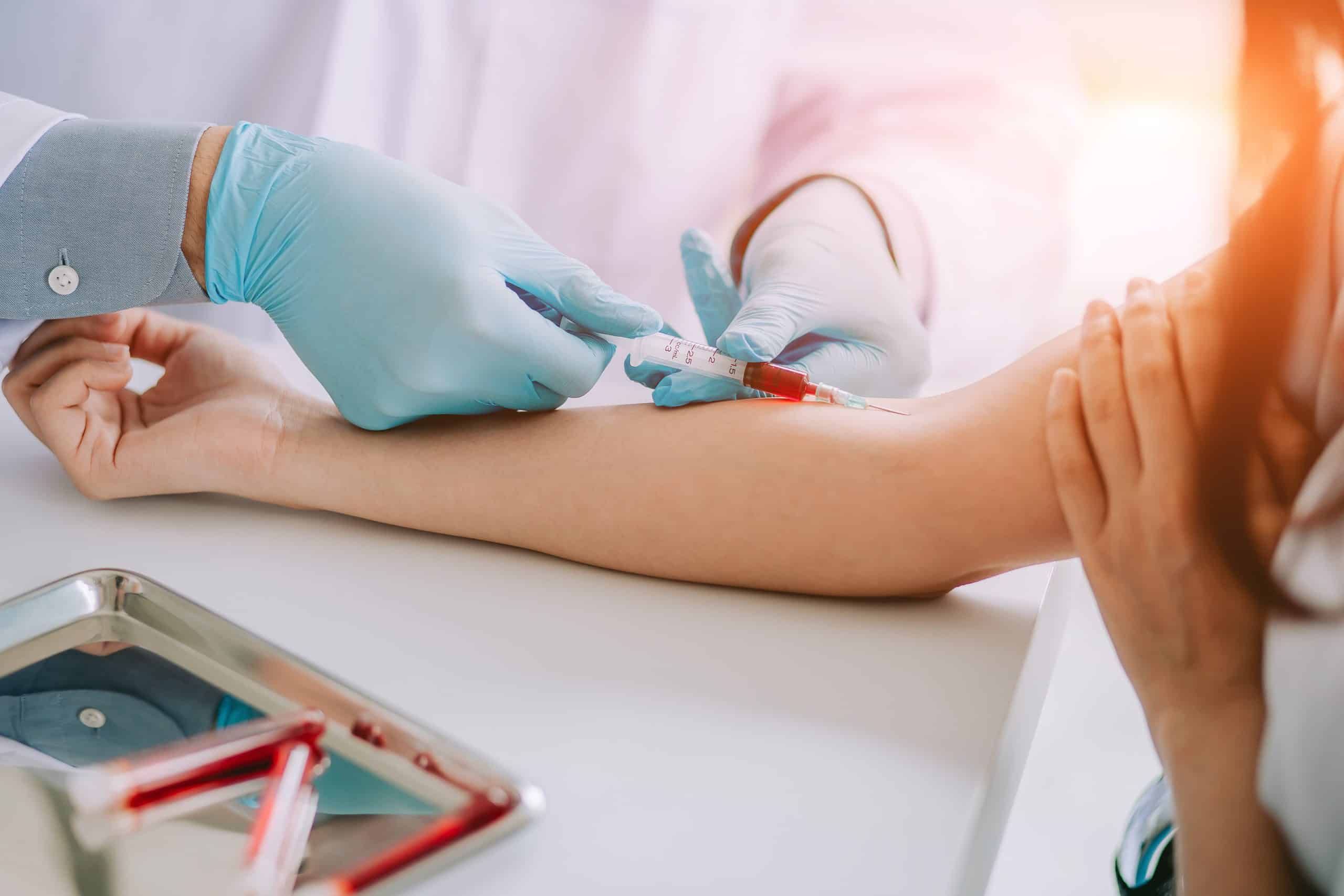
What a routine checkup includes and what it's for
A general checkup brings together the basic tests that give a broad picture of your health. At Aclimu it includes a complete blood count (CBC), which evaluates red blood cells, white blood cells and platelets and can, for example, rule out anemia; blood glucose; kidney and liver function; a lipid panel (cholesterol and triglycerides); uric acid; and a complete urinalysis. These tests give your doctor objective information about how organs and systems that can't be seen with the naked eye are working.
The value of a checkup lies in early detection. According to the Ministerio de Salud de la Nación (Argentina's national Ministry of Health), dyslipidemia (high cholesterol) causes no symptoms, and the only way to know your cholesterol levels is with a blood test. The same is true of blood glucose: that's why a routine checkup can reveal abnormalities before any symptoms appear.
Your health care provider is the one who interprets the results, together with your medical record, your age and your personal and family history. An out-of-range value is not a diagnosis on its own: it should always be evaluated by your doctor, who will decide whether tests need to be repeated or expanded, or whether treatment should be started.
Cholesterol, blood glucose and cardiovascular risk
The lipid panel measures fats in the blood. According to the Ministry of Health, total cholesterol should be below 200 mg/dl and triglycerides below 150 mg/dl, although the appropriate values vary depending on each person's history and risk factors. High cholesterol combined with other factors such as smoking, high blood pressure or diabetes significantly increases overall cardiovascular risk (the likelihood of a heart attack or stroke).
Blood glucose measures the sugar in your blood and is key to detecting diabetes. The Ministry of Health notes that type 2 diabetes usually develops very gradually and that several years can go by without symptoms: about 4 in 10 people who have it don't know it. Diagnosis is made by measuring fasting blood glucose, a test that is especially recommended from age 45, or earlier if there are risk factors such as being overweight, a sedentary lifestyle, family history or high blood pressure.
The good news is that both type 2 diabetes and high cholesterol can largely be prevented and controlled with a healthy lifestyle: a proper diet, regular physical activity and avoiding tobacco. Knowing your numbers through testing is the first step toward making decisions together with your doctor.
Thyroid panel: checking your thyroid
The thyroid panel is a group of tests that evaluate how the thyroid gland is working; this gland regulates much of your metabolism. The most commonly used initial test is TSH (thyroid-stimulating hormone); if the result is abnormal, testing is usually expanded to include free T4 and, depending on the case, other tests.
According to MedlinePlus (the U.S. National Library of Medicine), TSH levels above normal are almost always due to an underactive thyroid gland (hypothyroidism), while a below-normal level may be due to an overactive thyroid (hyperthyroidism). This test is also used to monitor treatment in people who have already been diagnosed with a thyroid disorder.
Your doctor may order a thyroid panel as part of a routine checkup or if you have signs such as fatigue, weight changes, hair loss or mood changes. Interpretation is always up to your health care provider.
Checkups by age: 50+ and prostate checkup
From age 50, some additional tests become important. Aclimu's Control +50 includes calcium, phosphorus, magnesium and vitamin D, markers linked to bone health. Vitamin D helps the body absorb calcium and regulate calcium and phosphorus levels in the blood, and vitamin D deficiency becomes more common with age, so these tests help your doctor evaluate your bone and metabolic health.
The prostate checkup is based on measuring prostate-specific antigen (PSA) in the blood. The Ministry of Health explains that early detection of prostate cancer consists of a blood test to measure PSA and a physical exam performed by a doctor, and it stresses that the decision to have a PSA test should be individualized and discussed with your doctor based on each person's values, preferences and history. The disease is uncommon before age 50, and the risk increases with age.
So, even though you can get these tests at Aclimu by booking an appointment, it's always best to put your results in the hands of your doctor, who is the one to decide who should have them, when, and how often.
Monitoring diagnosed diabetes: HbA1c and microalbuminuria
If you already have diabetes, regular follow-up is essential to prevent complications. Glycated hemoglobin (HbA1c) reflects your average blood glucose over the past few months and, according to the Ministry of Health's guidelines, it is the most appropriate method for monitoring blood sugar control over time. In Argentine practice, fasting blood glucose is usually the preferred method for initial screening; HbA1c (measured with standardized methods) is also a diagnostic criterion accepted by the ADA and the WHO, but its main use is monitoring blood sugar control in people who already have diabetes.
The microalbuminuria test detects small amounts of protein (albumin) in the urine and allows early monitoring of kidney function, since the kidneys can be affected by diabetes. The Ministry of Health points out that diabetes complications can be prevented by controlling blood glucose levels and other cardiovascular risk factors.
These tests support the treatment prescribed by your health care team. Having them done as often as your doctor recommends is one of the best ways to take care of your long-term health.
At Laboratorio Aclimu, we combine quality and experience with the convenience of booking your appointment online, with no prescription needed for many of our checkups. We aim to deliver reliable results with fast turnaround times, so you can take care of your health without delays.
Frequently asked questions
Do I need a doctor's prescription to get a routine checkup?
For many of our checkup and routine tests, you can book an appointment and get tested without a prescription. Even so, we recommend having a health care provider interpret your results, and in certain specific cases, or if you are using health insurance (obra social or prepaid plan), a doctor's prescription may be required. If you have questions about your situation, ask us when you book your appointment.
Do I need to fast?
It depends on the tests. Tests such as blood glucose and the lipid panel usually require fasting (generally 8 to 12 hours, as instructed), while others do not. When you book your appointment, we will give you the exact preparation instructions for your tests. While fasting, you may drink water unless you are told otherwise.
How long does it take to get results?
Turnaround times depend on the type of test. Many routine tests are available within a few business days, and results are delivered online through our platform. When your sample is collected, we will let you know the estimated date your report will be ready.
How do I book an appointment?
You can book your appointment online on our website by choosing an available day and time. The laboratory is located in the City of Buenos Aires (Ciudad Autónoma de Buenos Aires). If you prefer, we can also help you schedule your appointment through our contact channels.
How often should I get a routine checkup?
Your doctor will decide how often, based on your age, history and risk factors. As a general guide, many preventive checkups for adults are done periodically (usually once a year), but some people need more frequent checkups. The important thing is to keep up with your checkups even when you feel well, since several conditions cause no symptoms.
Sources
- Dyslipidemia - high cholesterol (in Spanish) — Ministry of Health, Argentina
- Diabetes (in Spanish) — Ministry of Health, Argentina
- Prostate cancer (in Spanish) — Ministry of Health, Argentina (Instituto Nacional del Cáncer, Argentina's National Cancer Institute)
- National Clinical Practice Guideline on the Prevention, Diagnosis and Treatment of Type 2 Diabetes Mellitus (in Spanish) — Ministry of Health, Argentina
- Thyroid-stimulating hormone (TSH) test — MedlinePlus - U.S. National Library of Medicine (NIH)
- Thyroid tests — National Institute of Diabetes and Digestive and Kidney Diseases (NIDDK - NIH)
The information on this page is for guidance only and does not replace a consultation with a healthcare professional.